
How to Clean Suede Shoes Without Ruining the Nap
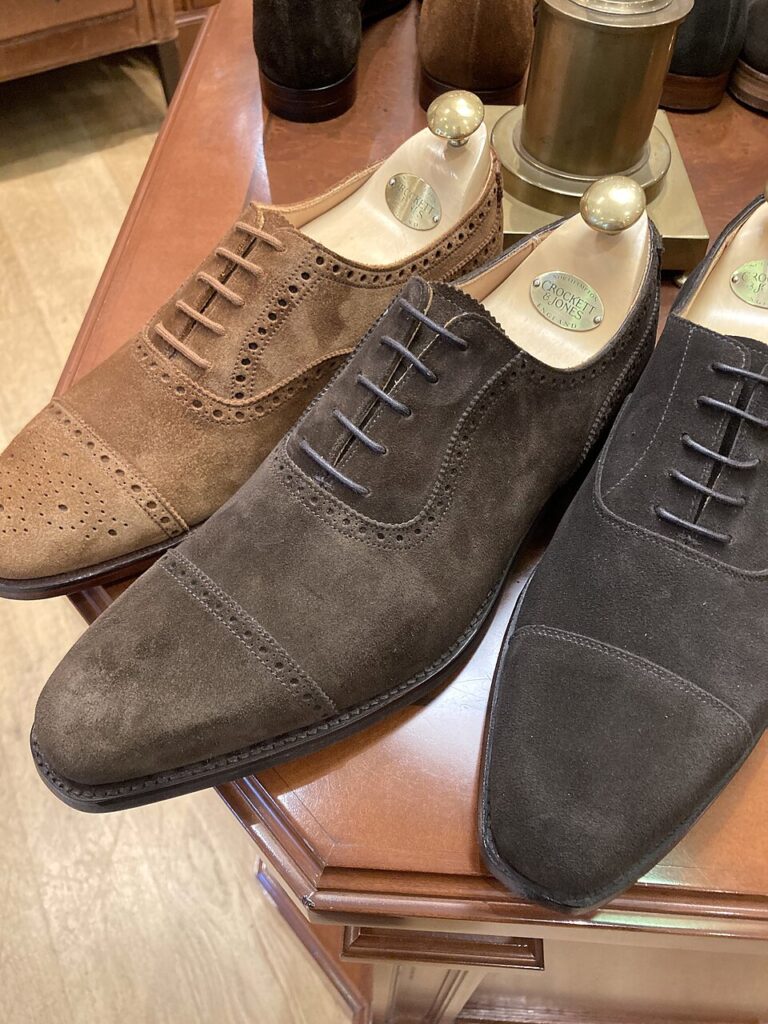
Suede has a well-earned reputation as the tricky material in shoe care. Nubuck, rough-out leather, and classic suede all have one thing in common: an open, fuzzy nap that shows every scuff, stain, and water ring far more readily than smooth finished leather. Because of that surface structure, suede also punishes the wrong cleaning method harshly. Scrubbing with stiff brushes, saturating it with the wrong household cleaner, or applying products meant for smooth leather can mat the nap, darken the color, or push stains deeper into the fibers.
The good news is that suede does not require a cabinet full of specialty products to stay clean. It requires the right formulation, a light touch, and above all, patience. Here is how to approach it.
## Why Suede Needs a Different Approach
Smooth finished leather has a sealed, protective topcoat. Dirt mostly sits on the surface until you wipe it away. Suede has no such barrier. Its texture comes from the buffed underside of the hide, which creates thousands of tiny fibers that trap dust, absorb oils, and hold moisture. That is why a greasy fingerprint that would vanish from finished leather can become a permanent shadow on suede.
The trade-off is that suede is also far more forgiving during proper cleaning than most people expect. Because dirt sits in the fiber layer rather than in a coating, a cleaner designed to lift those residues out gently can restore the material without any repainting or refinishing at all.
## Step One: Dry Work Before Any Liquid
Before introducing any cleaner, do the dry maintenance. Every cleaning session on suede should start this way:
### Brush the nap
Use a soft-bristle brush and work with the grain of the nap, not against it. This lifts embedded dust and refreshes the texture. Brushing dry is also how you remove many light scuff marks without any liquid at all.
### Spot-check with a crepe or suede block
For small dry stains and shiny, flattened areas caused by pressure, gentle friction from a suede eraser or block often does more than any spray. Work lightly and brush the residue away after.
Only once the loose dirt is gone does liquid cleaner make sense.
## Using a Cleaner Designed for Suede
The mistake to avoid is grabbing a cleaner formulated for finished leather and hoping for the best. Suede responds best to a product built for its open fiber structure. Angelus Easy Cleaner for Suede & Leather is formulated specifically for these materials: it lifts dirt, oils, and residues from suede and leather without damaging the material, and it doubles as a preparatory step before dyes, paints, or other finishes.
The working method matters as much as the product:
– **Apply sparingly.** Put a modest amount on a soft cloth or brush rather than pouring it straight onto the shoe.
– **Work gently and cover the whole area.** Feather the cleaner across everything you plan to treat, so you do not create clean patches with dirty borders.
– **Let it do the work briefly.** Give the solution a moment to dissolve grime.
– **Wipe with a lint-free cloth** to remove the excess, then let the material dry completely before any further step.
Over-saturating delicate suede is the single most common mistake, and it is entirely avoidable. Less product, more passes.
## Test First, Every Time
Even with a suede-safe formula, materials vary by tannery and dye lot. Before treating a visible area, test the cleaner on an inconspicuous spot such as the inside heel or under the tongue. Confirm the color stays even and the nap responds well. Thirty seconds of testing prevents an afternoon of regret, and it is advice that applies no matter which brand you use.
## After Cleaning: Condition or Recolor
Once suede is fully dry, you have a decision point. If the suede is healthy and you simply cleaned it, a light conditioning with a product made for the material keeps it supple. If the cleaning exposed faded, worn, or uneven color, this is where suede dye comes in. A clean, even base is what makes dye take uniformly, which is exactly why cleaning is described as the preparatory step before dyes and paints on the product itself.
Resist the urge to rush the drying stage. Heat sources like hair dryers and radiators can stiffen and warp suede. Air drying at room temperature, stuffed lightly with paper to hold shape, protects the texture you just worked to restore.
## Making Suede Cleaning Routine
Suede rewards frequency. A quick monthly dry brushing, immediate blotting of spills, and a proper cleaning only when needed will keep a pair looking better than one aggressive deep-clean per year. For anyone working through a collection of suede or nubuck shoes, a dedicated session every few weeks with the right suede-and-leather cleaner, a soft brush, and a lint-free cloth covers the vast majority of maintenance needs.
Handled this way, suede stops being the delicate headache of the shoe lineup and becomes just another material with an obvious routine: brush, spot-test, clean lightly, dry patiently, condition or recolor when needed.
Premium Shoe Care, Delivered
Start Creating Today
Your art deserves the best. With Angelus paints and products from RDBoutique, every brushstroke brings you closer to something amazing.